DTF vs. DTG: What's the Difference in Apparel Printing?
Both are digital printing methods for custom shirts, hoodies, and other apparel, but they work in different ways, land differently on the finished garment, and cost differently depending on what you're printing. Here's what actually sets them apart, what each one looks like in practice, and what it runs, so you can pick the right one for your next order.
Direct to Garment (DTG)
Ink is printed straight onto the fabric, similar to how an inkjet printer works on paper.
- Soft, barely there feel
- Best on cotton and high cotton blends
- Great for detailed, photo style artwork
- Works well for single shirts and small runs
Direct to Film (DTF)
The design is printed onto a special film, then heat pressed onto the garment.
- Bold, durable color
- Works on cotton, polyester, blends, and more
- Holds up well to repeat washing
- Good fit for mixed fabric or bulk orders
See the Difference
A DTF print and a DTG print can look nearly identical fresh out of the box. The difference shows up in how the ink sits on the shirt and how it wears over time.
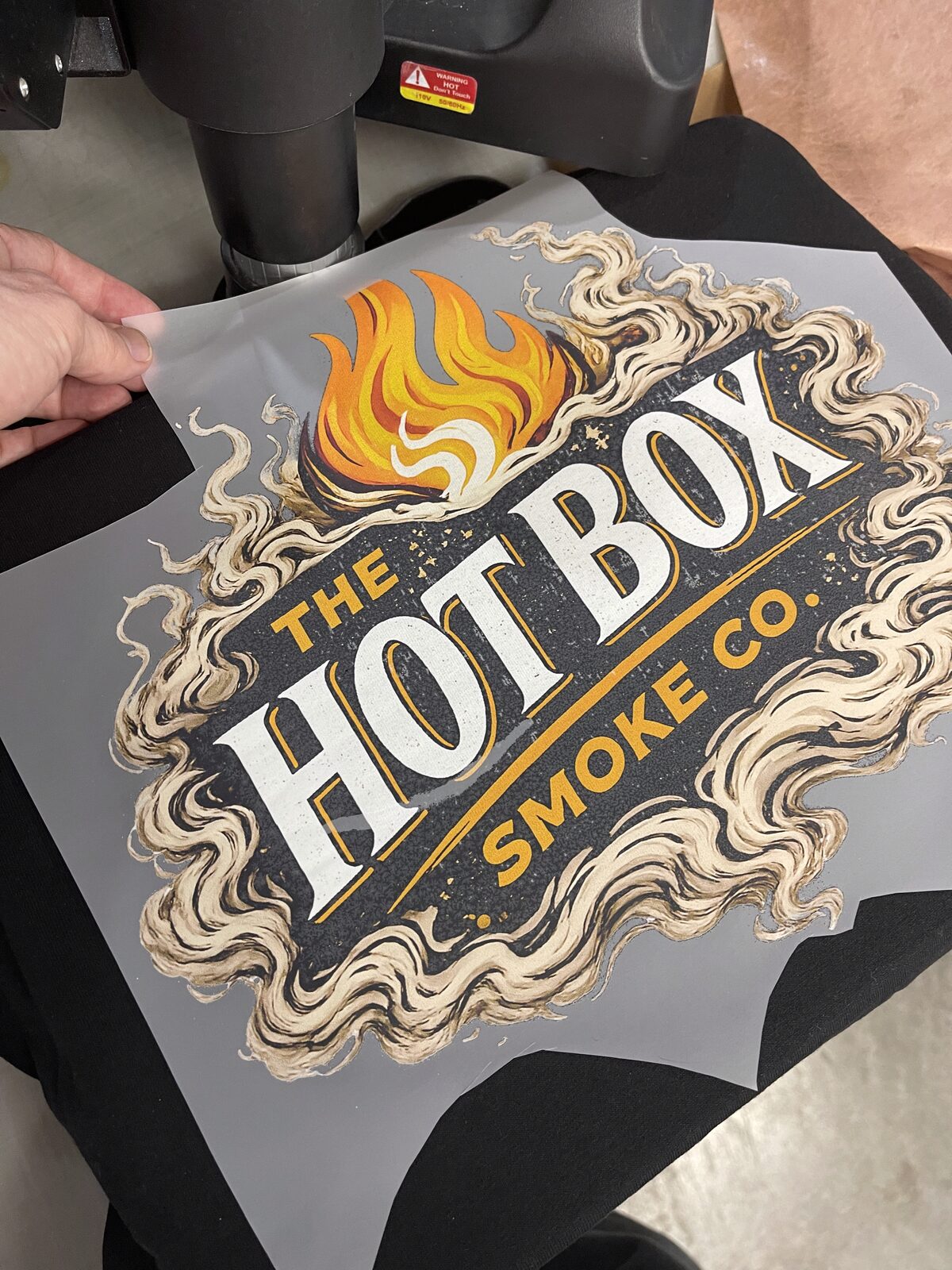
Bold color, a slightly raised feel where the design sits on top of the fabric.
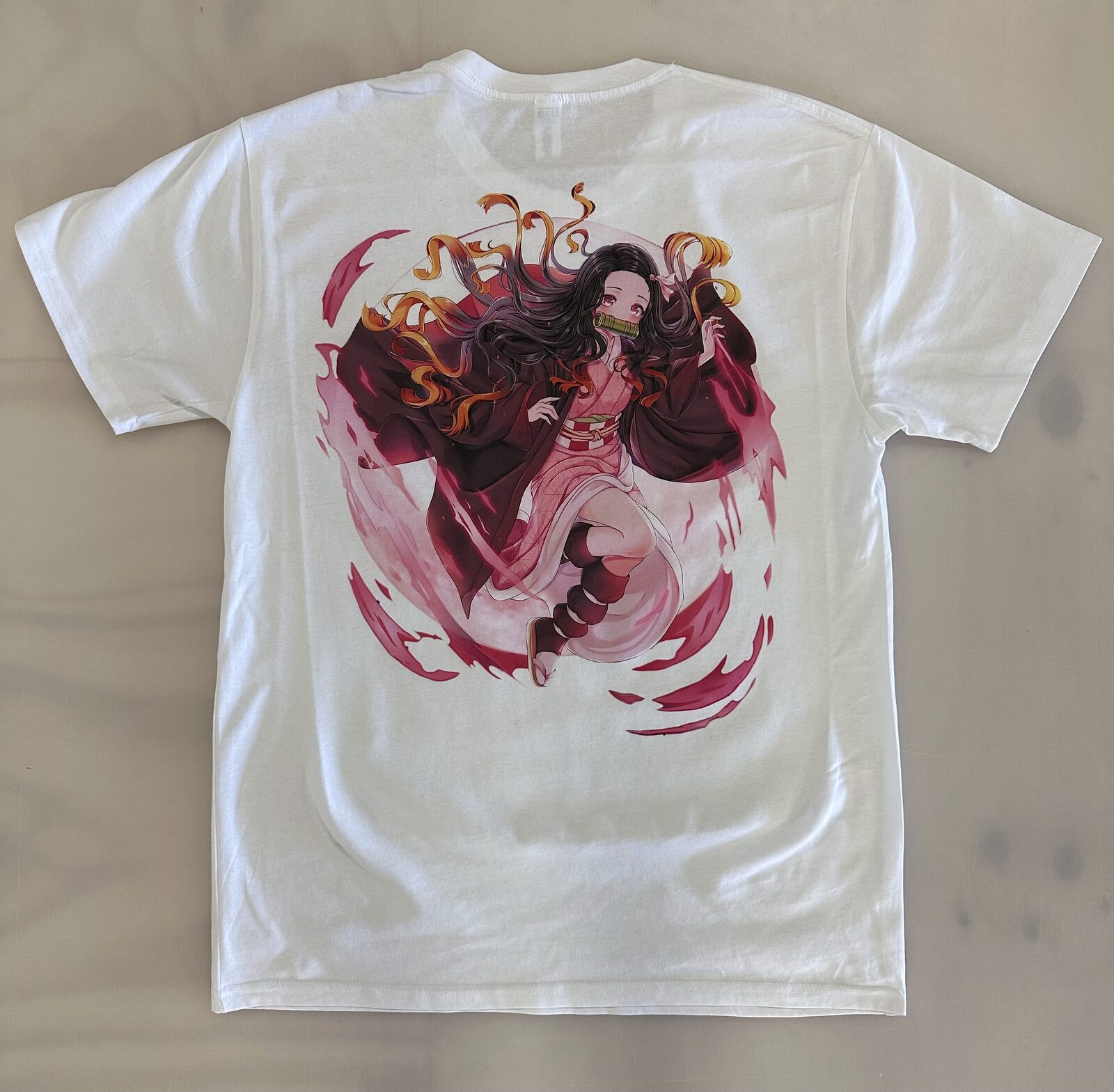
Soft hand feel, the ink sits down in the fibers instead of on top of them.
How Each Process Actually Works
Both start from the same place, your artwork, but from there the two processes branch in different directions.
DTG, step by step
- Cotton and cotton blend garments get pretreated so the ink bonds properly, especially on darker colors. This step is what allows the ink to sit into the fabric instead of just sitting on top of it.
- A specialized printer applies water based ink directly into the fabric fibers, building up color layer by layer the way a photo printer builds up ink on paper.
- On dark garments, the printer first lays down a base layer of white ink so the colors printed on top show up true instead of getting muddied by the dark fabric underneath.
- The print is cured with heat to set the ink permanently, so it can go through the wash without cracking or lifting.
DTF, step by step
- The design is printed onto a clear PET film, white ink included as part of the print itself, so it works the same way regardless of what color garment it ends up on.
- An adhesive powder is applied to the wet ink and cured with heat, which is what lets the design bond to fabrics DTG can't touch, like polyester and blends.
- The film is heat pressed onto the garment at high temperature and pressure.
- Once it cools, the film backing is peeled away, leaving just the design behind, already fully cured and ready to wear.
A Look Inside Our Print Shop
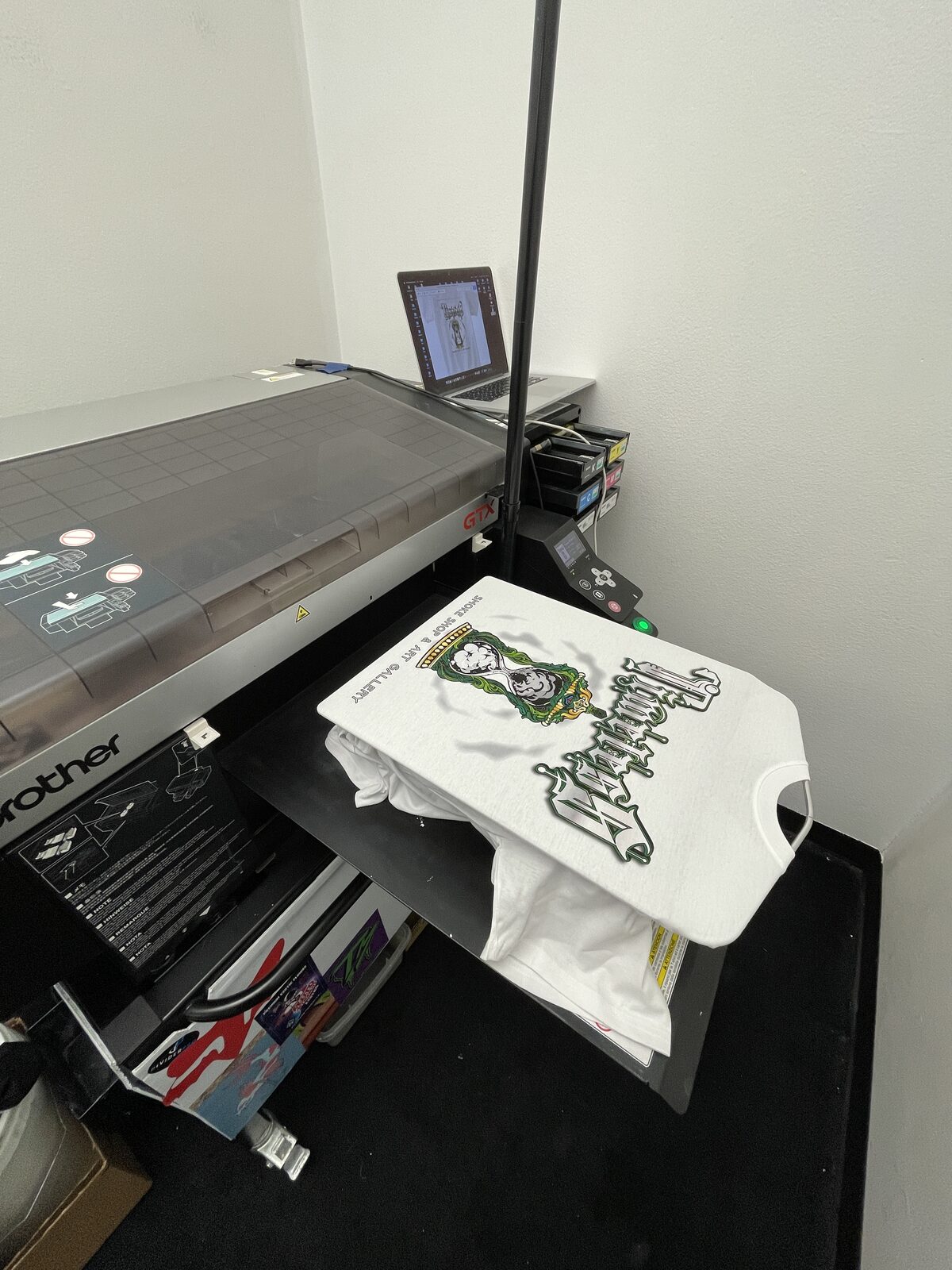
DTG printing at Graphics Design Media runs on our in house Brother GTX Series DTG printer, right here in our Las Vegas shop. It's the machine behind every DTG shirt and hoodie order we run, and everything you see below comes out of the same shop.
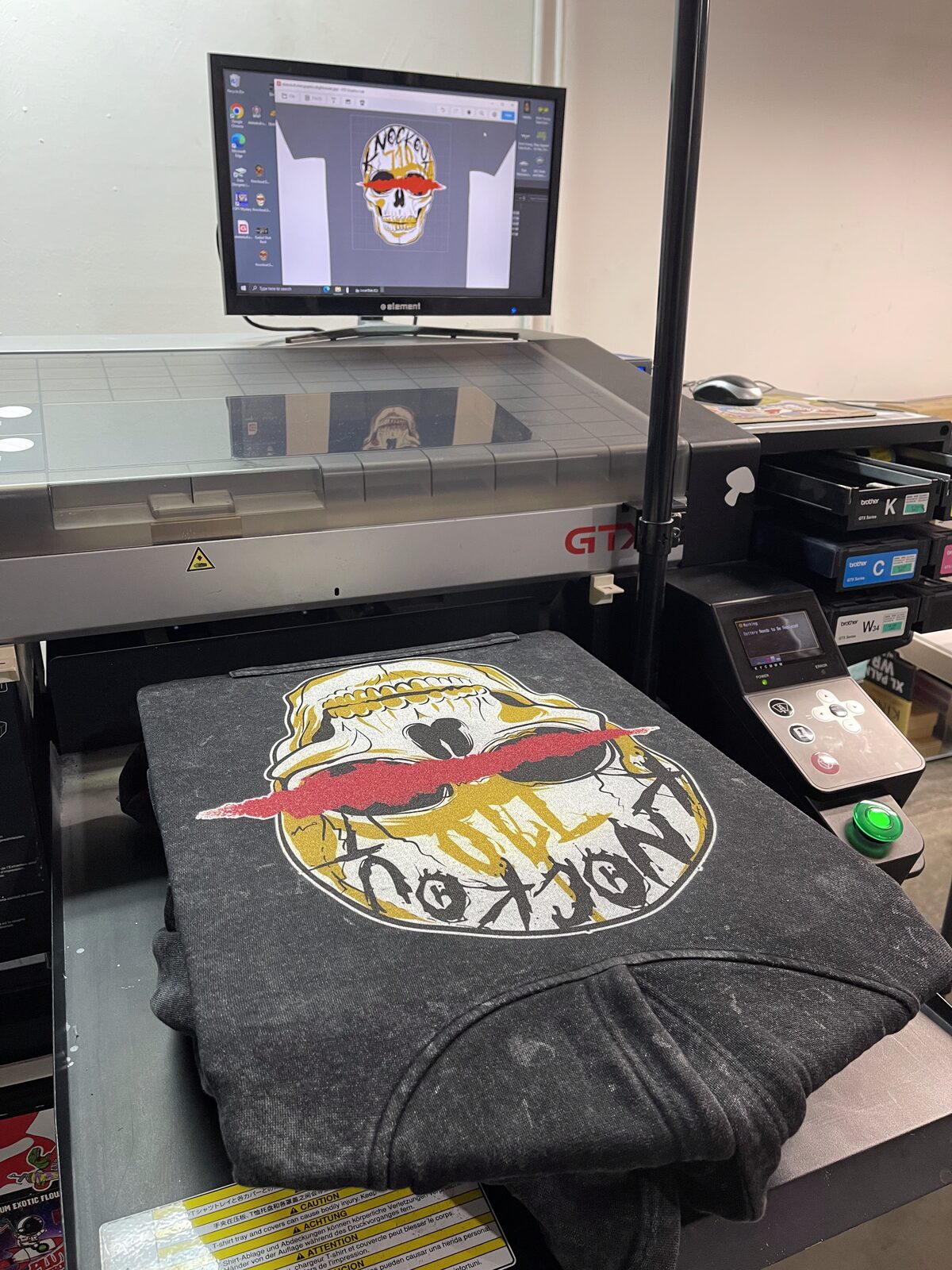
Our Brother GTX Series DTG printer, mid job.
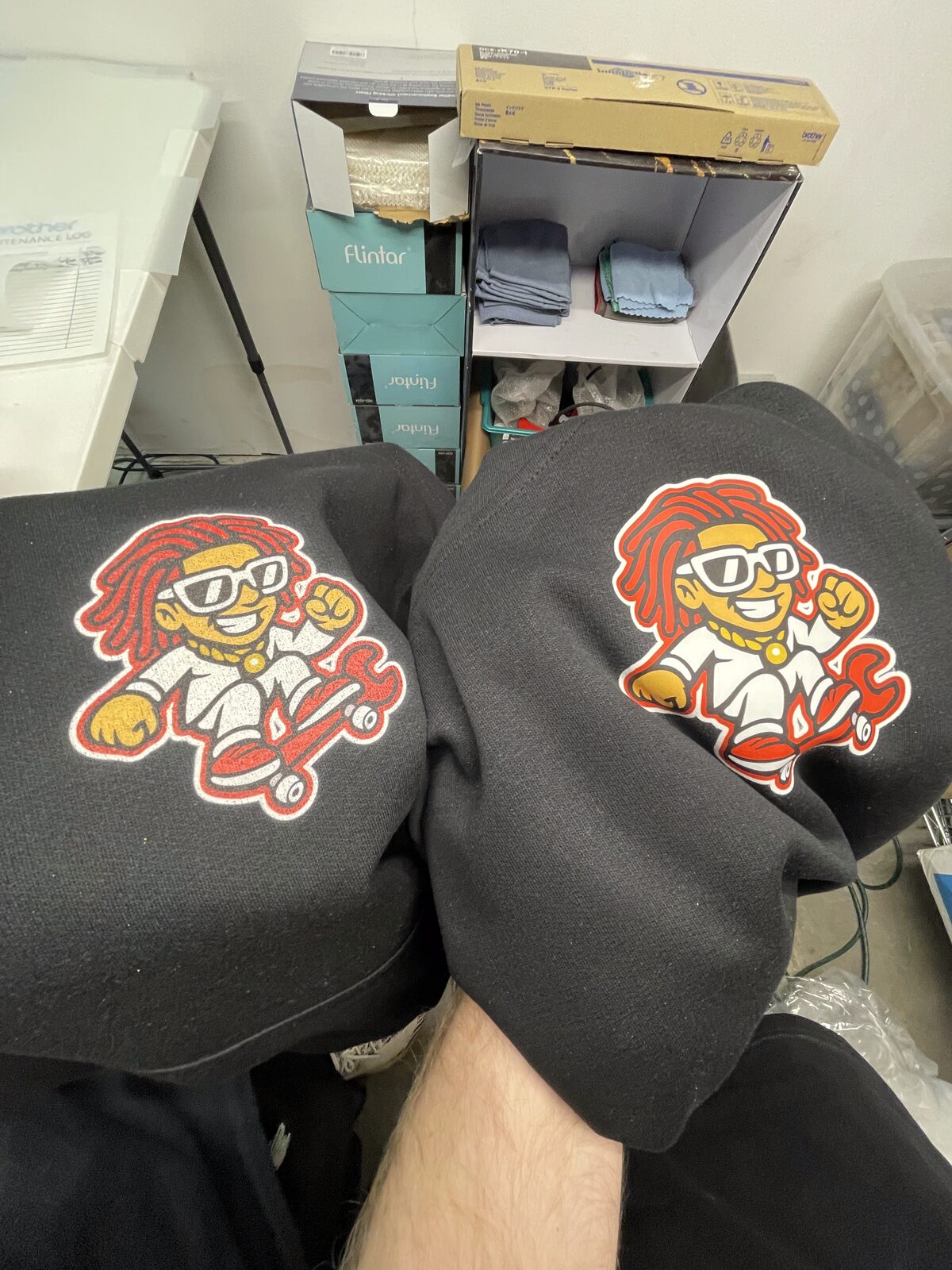
DTG printed sleeve logos, fresh off the printer.
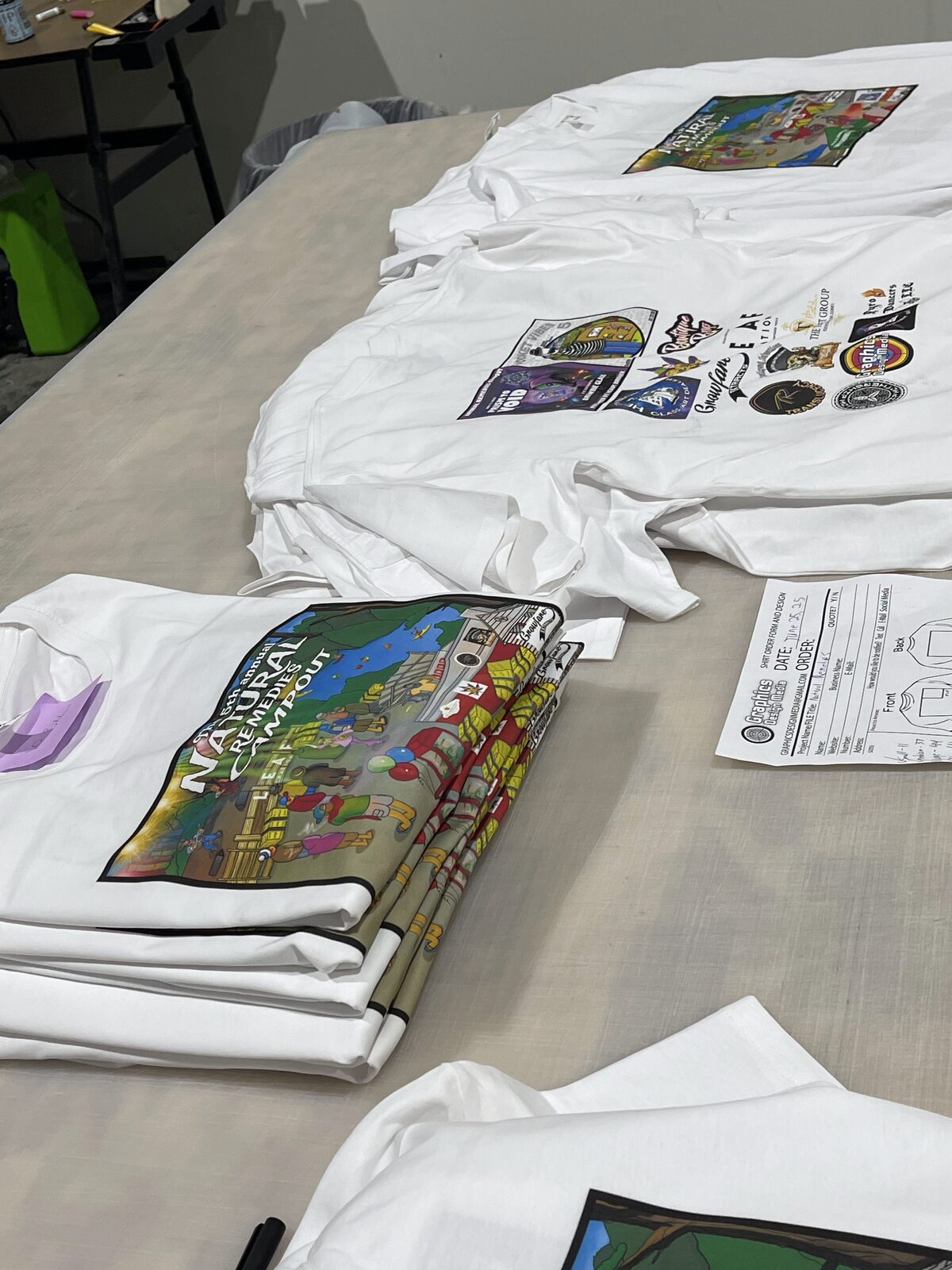
A finished batch, folded and ready to ship out.
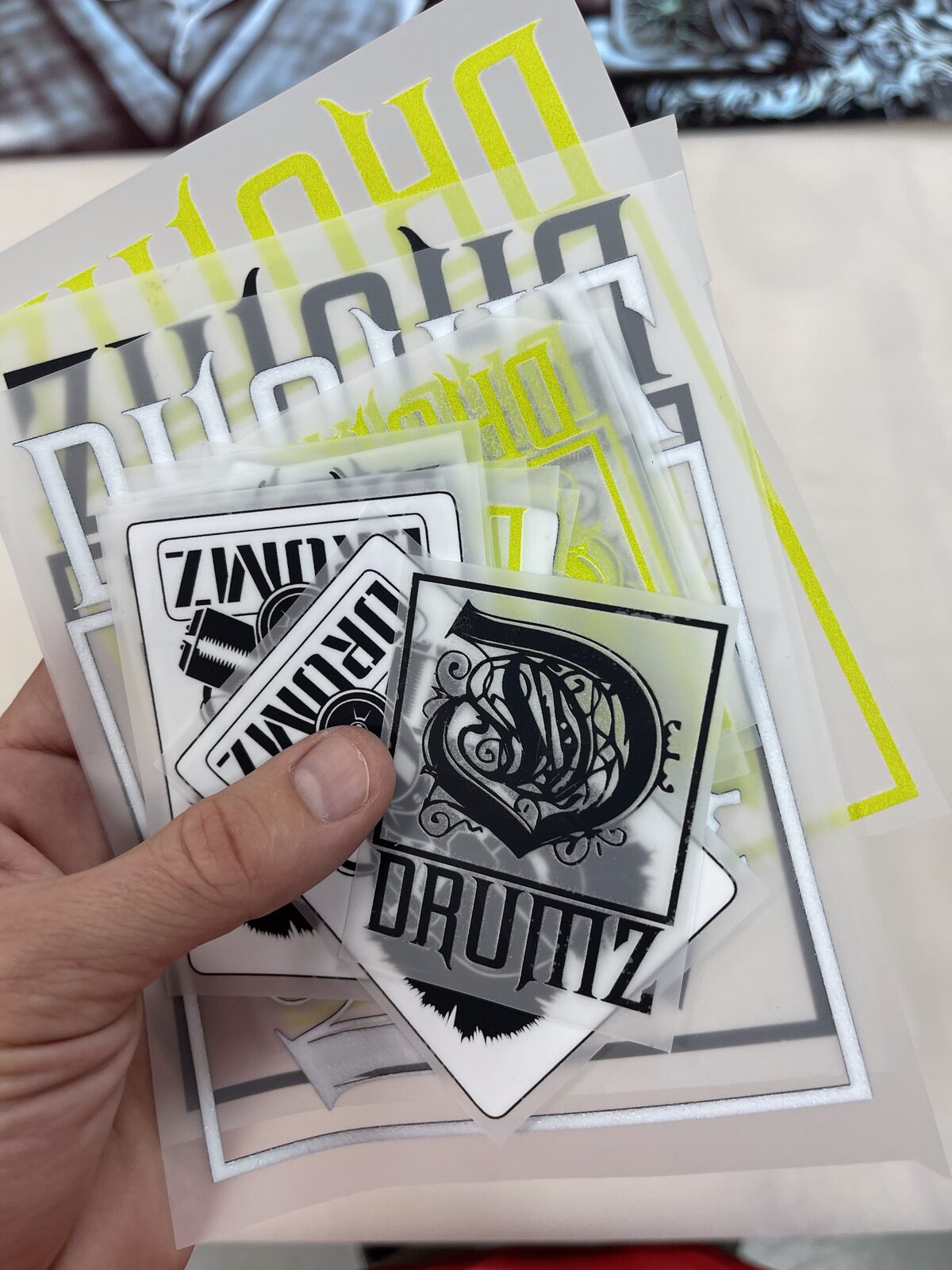
Printed DTF transfers, ready to press onto a shirt.
Want to Press Your Own DTF Transfers?
One of the biggest differences between DTG and DTF isn't just the printer, it's where the pressing happens.
DTG has to be done here in our shop. It only works on cotton and cotton blend garments, and it needs our printer, pretreatment station, and curing setup to come out right, so there's no way to do that part yourself. DTF works differently. Since the ink and adhesive are already baked into the transfer film when we print it, we can ship the finished transfers straight to you, and you or your team can press them onto shirts yourselves, wherever you need to.
All it takes is a heat press, and you don't need the big, traditional clamshell style press that shops use for other kinds of transfers. A basic DTF style heat press is smaller, lighter, and a lot less expensive, and it still gives a durable, long lasting print when it's used correctly. You can find one new for well under $100. Search for heat presses under $100.
If you're running a team, a small business, or ordering shirts for events on a regular basis, the math works out in your favor over time. A household iron will get you through a shirt or two in a pinch, but the results are inconsistent and don't hold up nearly as long. A dedicated heat press, even an inexpensive one, pays for itself fast once you add up what you'd otherwise spend having every batch pressed for you, and it gives a professional, long lasting result every time.
This setup is especially useful when sizes aren't locked in ahead of time. Keep a stock of blank shirts in a range of sizes on hand and press the design onto whichever size someone actually needs, instead of guessing and pre printing a batch that might not fit everyone. It also works great as an activation at an event. Set up a couple of presses, let people pick their design, and press it onto a shirt for them right there. We can help with all of that, from the transfers themselves to picking the right press for what you're doing.
See More of Our Work
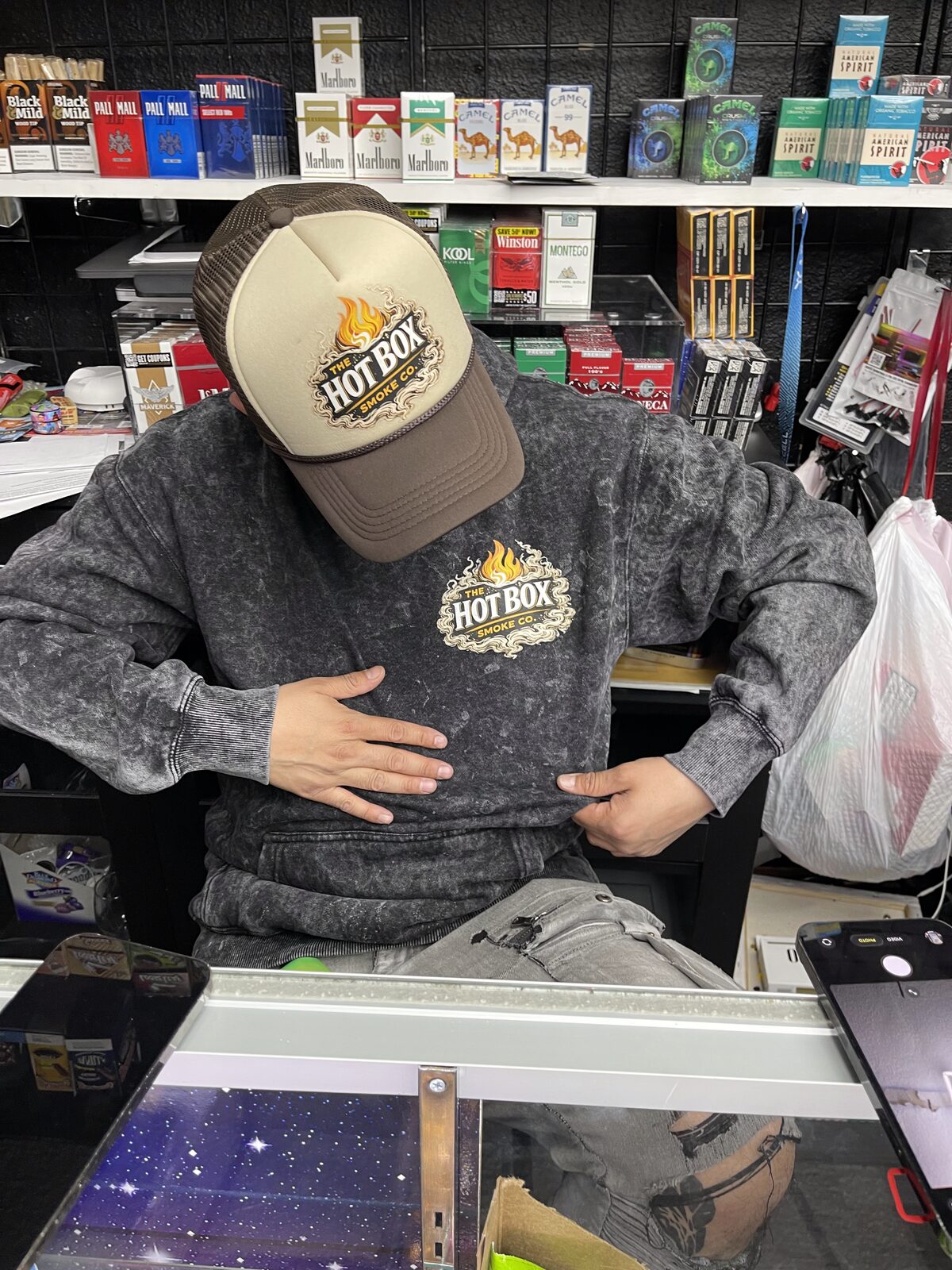
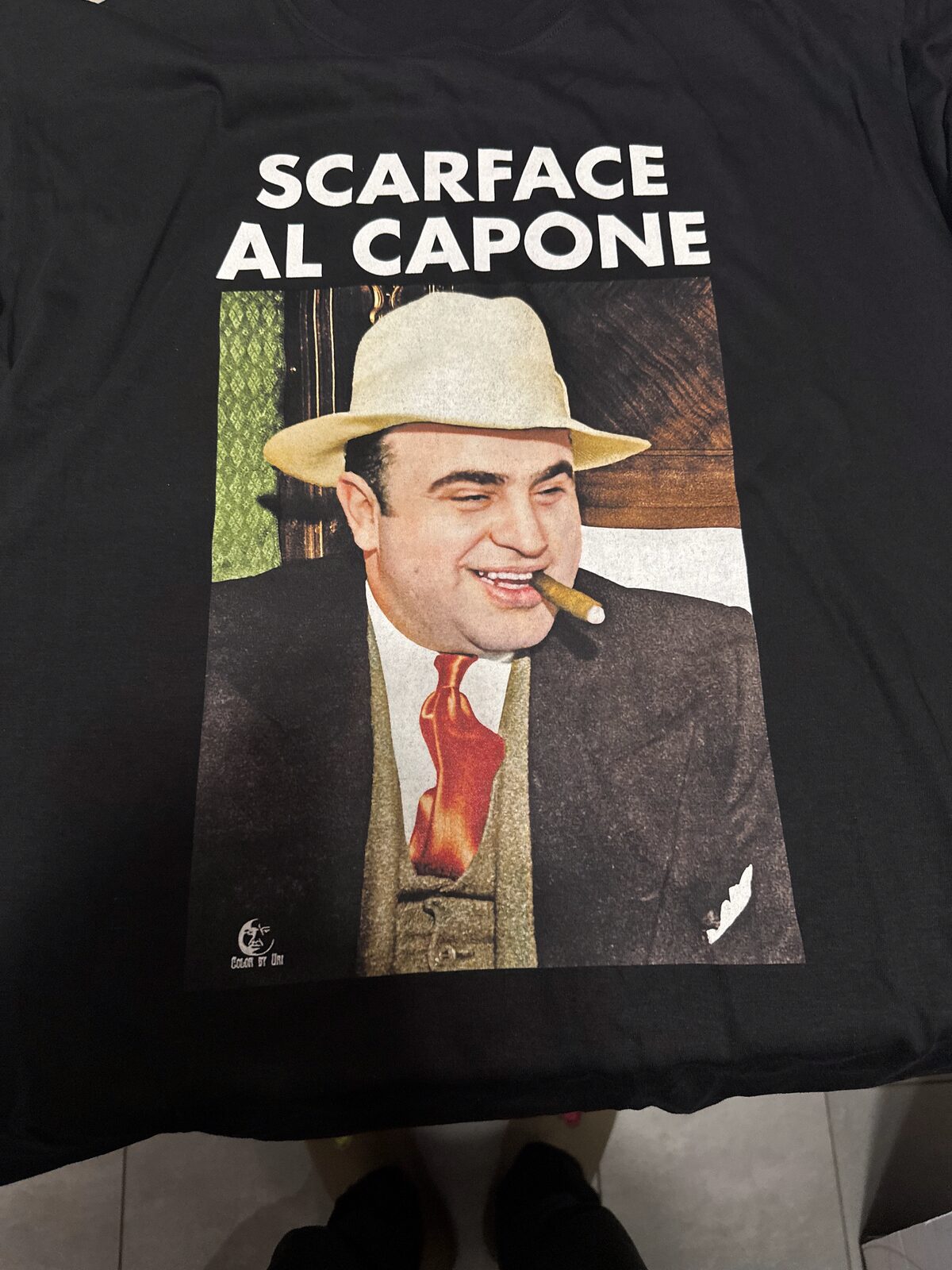
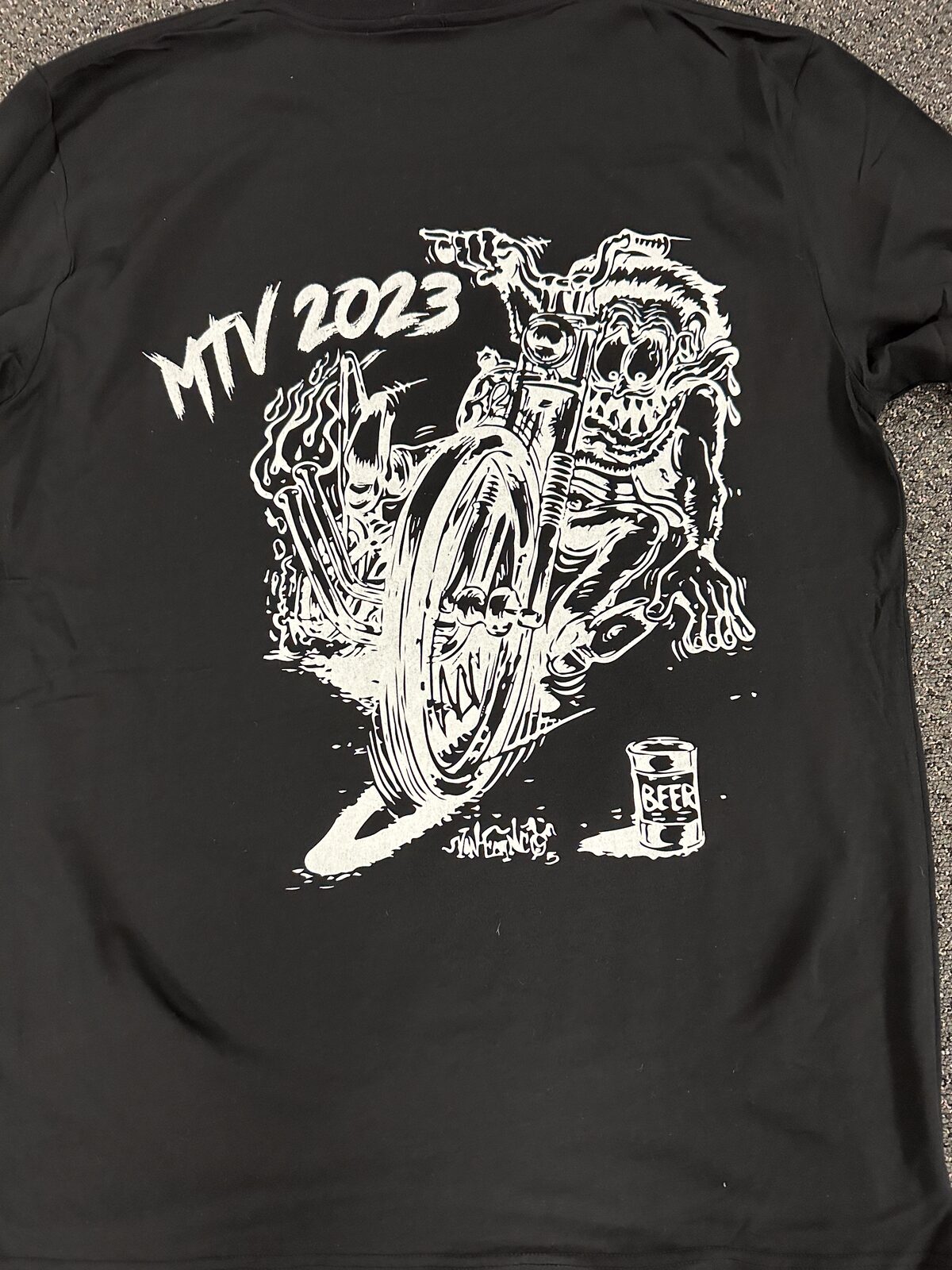
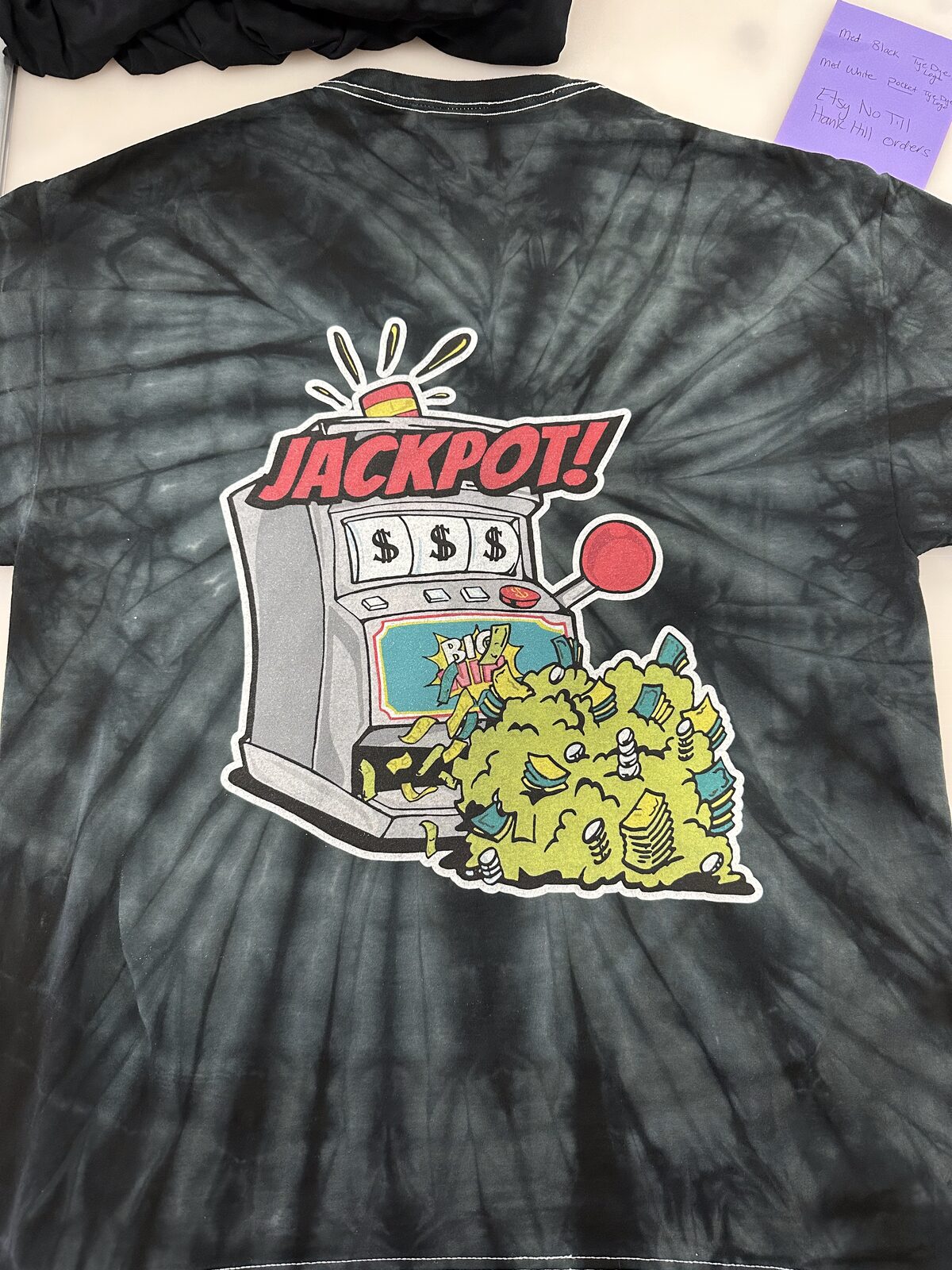
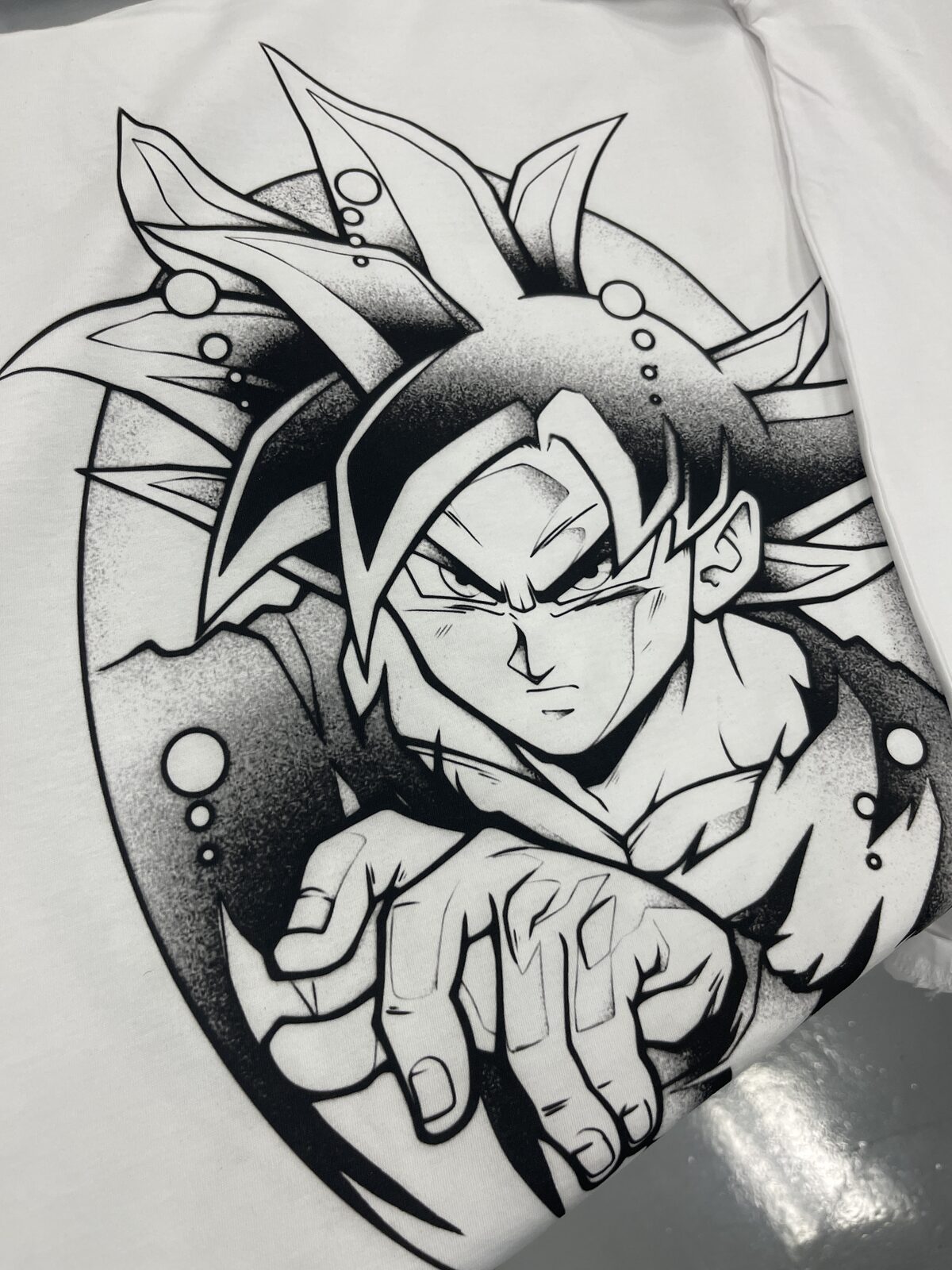
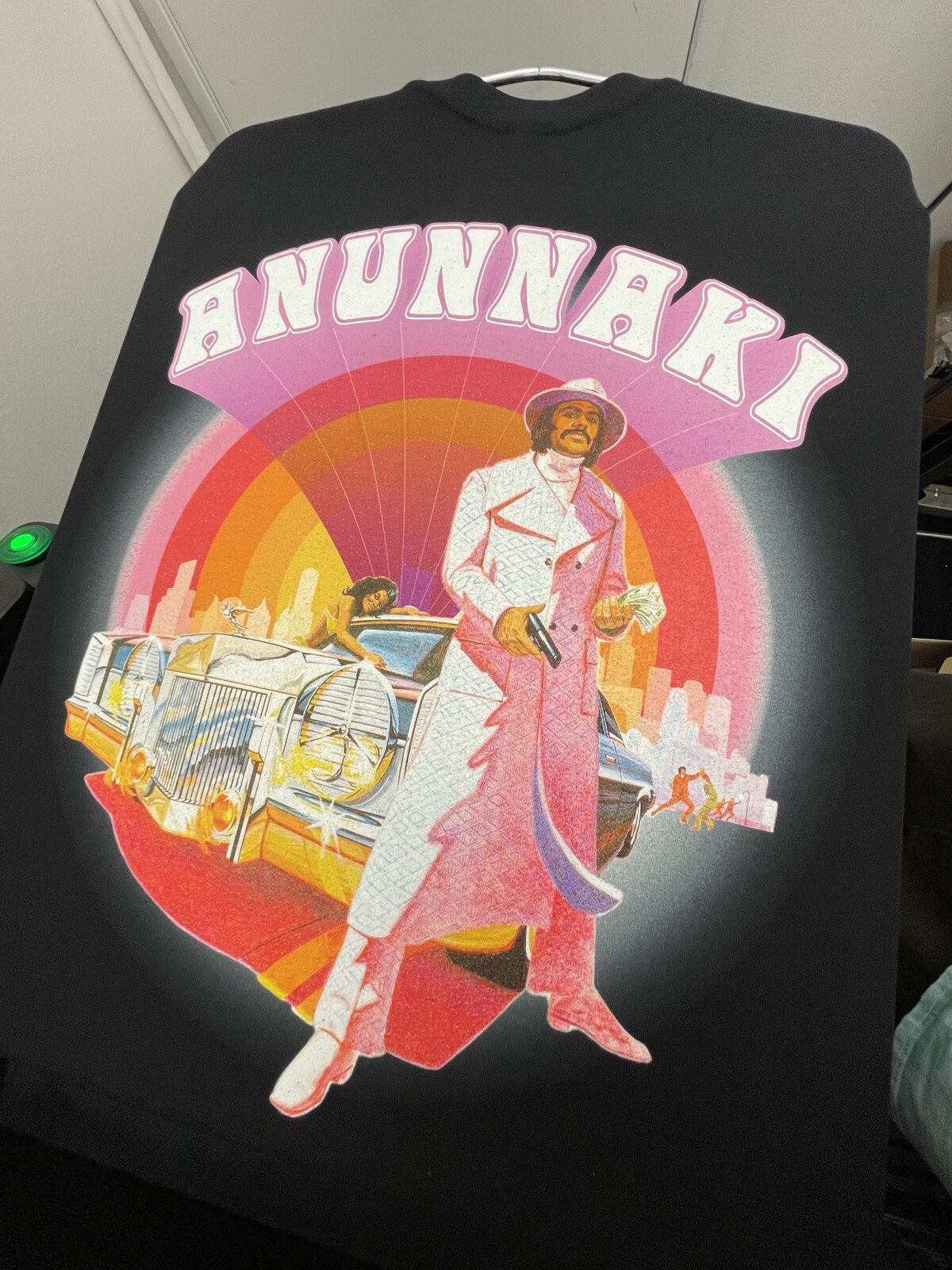
A few DTG and DTF pieces we've printed in house, straight off the press for our customers.
Full Comparison
| Category | DTG | DTF |
|---|---|---|
| Fabric compatibility | Cotton and high cotton blends only | Cotton, polyester, blends, canvas, nylon, and most other fabrics |
| Durability | Typically holds up through 30 to 45 washes before noticeable fading | Typically holds up through 50 or more washes with less fading |
| Feel on the garment | Soft and nearly seamless, the ink sits in the fabric | Slightly raised texture, the design sits on top of the fabric |
| Color and detail | Excellent for photo realistic art and fine detail on light colored cotton | Bold, saturated color that performs well on dark garments without extra steps |
| Printing on dark garments | Needs a white ink base layer plus a pretreatment step first | White ink is already built into the transfer, no separate pretreatment needed |
| Typical cost | More affordable on light garments, costs more on dark garments due to the added white ink layer and pretreatment step | Generally the more affordable option overall, especially on dark or mixed color orders |
| Order minimums | Priced per piece under 12 pieces, better unit pricing kicks in on larger runs | Priced per transfer, scales well from single pieces up to bulk runs |
| Best for | Single shirts, small runs, and detailed art on cotton apparel | Mixed fabric orders, heavy wear pieces, and bulk team or event orders |
What Does It Cost?
In general, DTF runs cheaper than DTG, especially on dark garments or larger orders. Here's why, and what our DTG rates actually look like.
Why DTG costs more on dark garments
DTG ink isn't opaque on its own. Printing on a dark shirt means the printer first has to lay down a heavier base layer of white ink so the colors on top show up true, and the garment needs a pretreatment step before it ever hits the printer so that ink bonds correctly instead of washing out. Both of those steps add ink, labor, and machine time, and that added cost is what you're paying for on a dark garment DTG order. Light or white garments skip the white base layer entirely, so they print for less.
Where DTF saves you money
DTF transfers already include white ink baked into the printed film itself, and there's no separate pretreatment step needed no matter what color the garment is. That's a big part of why DTF tends to come in cheaper overall, particularly on dark garments, mixed color runs, or orders that combine different fabric types.
Our DTG Rates
| Item | Starting Price |
|---|---|
| Shirt, 1 sided print | $24.95 |
| Shirt, 2 sided print | $34.95 |
| Hoodie, 1 sided print | $34.95 |
| Hoodie, 2 sided print | $44.95 |
| Sleeve print, small (under 3 in) | +$3 |
| Sleeve print, normal (4 to 6 in) | +$5 |
| Long sleeve print, one side | +$7 |
| Long sleeve print, both sides | +$10 |
Per piece pricing above applies to orders under 12 pieces, and dark garments run higher due to the white ink layer and pretreatment step explained above. Per piece cost drops on larger runs, and DTF pricing depends on transfer size, garment, and quantity, generally landing lower than DTG on the same order. Send us your project for an exact quote on either process.
Which One Should You Choose?
Choose DTG if
- Your garments are cotton or a high cotton blend
- You want the softest possible feel on the print
- Your artwork has detailed shading or photo style color blending
- You're ordering a light or white colored garment and want to keep cost down
Choose DTF if
- You're printing on polyester, blends, or performance fabric
- The garment needs to hold up to years of regular washing
- Your order mixes garment types, colors, or fabric blends
- You're printing on dark garments or a larger order and want the more affordable option
Not Sure Which One Fits Your Project?
Send us your artwork and the garment you have in mind and we'll tell you which process makes the most sense, DTG, DTF, or a mix of both for a multi piece order, along with real pricing for your job. We offer both processes for custom apparel printing.